
Used Furniture Buyers in Riyadh +966 54 071 3193 | On-Site Valuation and Same-Visit Payment
A fair used-furniture offer begins with condition, model, demand, completeness and the real cost of dismantling, collection, repair, cleaning, storage and resale. The original purchase price is useful context, but it does not by itself determine today’s resale value. For assessment, send clear photographs, the district, floor, lift and preferred date to +966 54 071 3193.
What this service should include
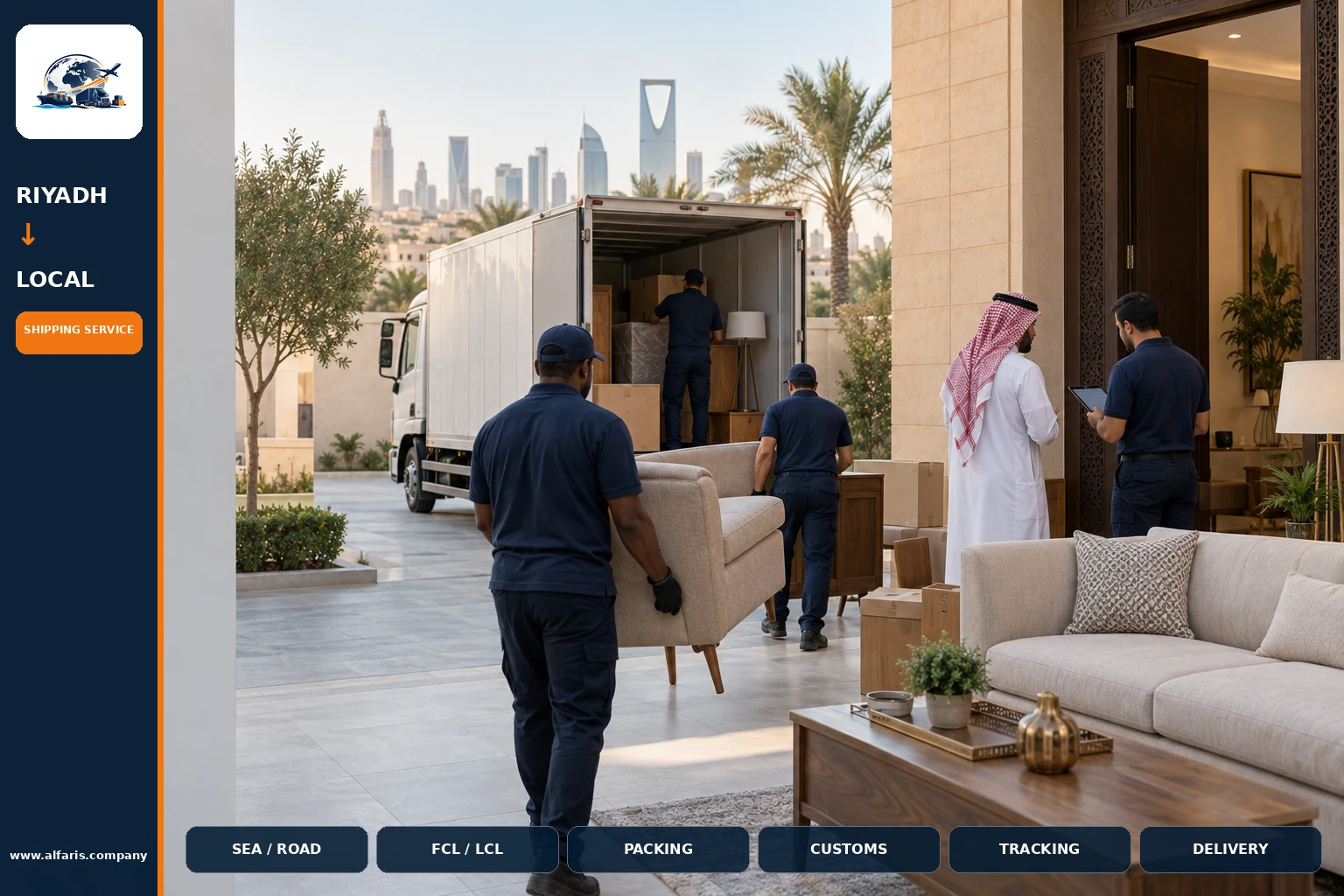
Before agreeing, list every item included, remove personal contents, identify defects honestly and confirm who carries, dismantles and transports the furniture. Payment and collection timing should be written clearly.
The quotation should define the starting point, destination, number and approximate dimensions of items, labour, dismantling, packing, carrying distance, stairs or lift, vehicle type and any waiting. A short message that says “move a few pieces” is not enough for a reliable allocation of time, vehicle and staff.
Assessment before the visit
Send a wide photograph of the room and close photographs of every important item. Mention glass, marble, loose shelves, electrical connections, missing fittings, damage and unusually heavy pieces. Record the collection and delivery access, parking restrictions and the distance between the vehicle and the property entrance.
Measurements matter for wardrobes, large sofas, display cabinets, refrigerators and restaurant or office equipment. The team should know whether the item passes through the door and lift or requires dismantling. Discovering an access problem after arrival creates avoidable waiting and may expose furniture to rushed handling.
Protection and loading
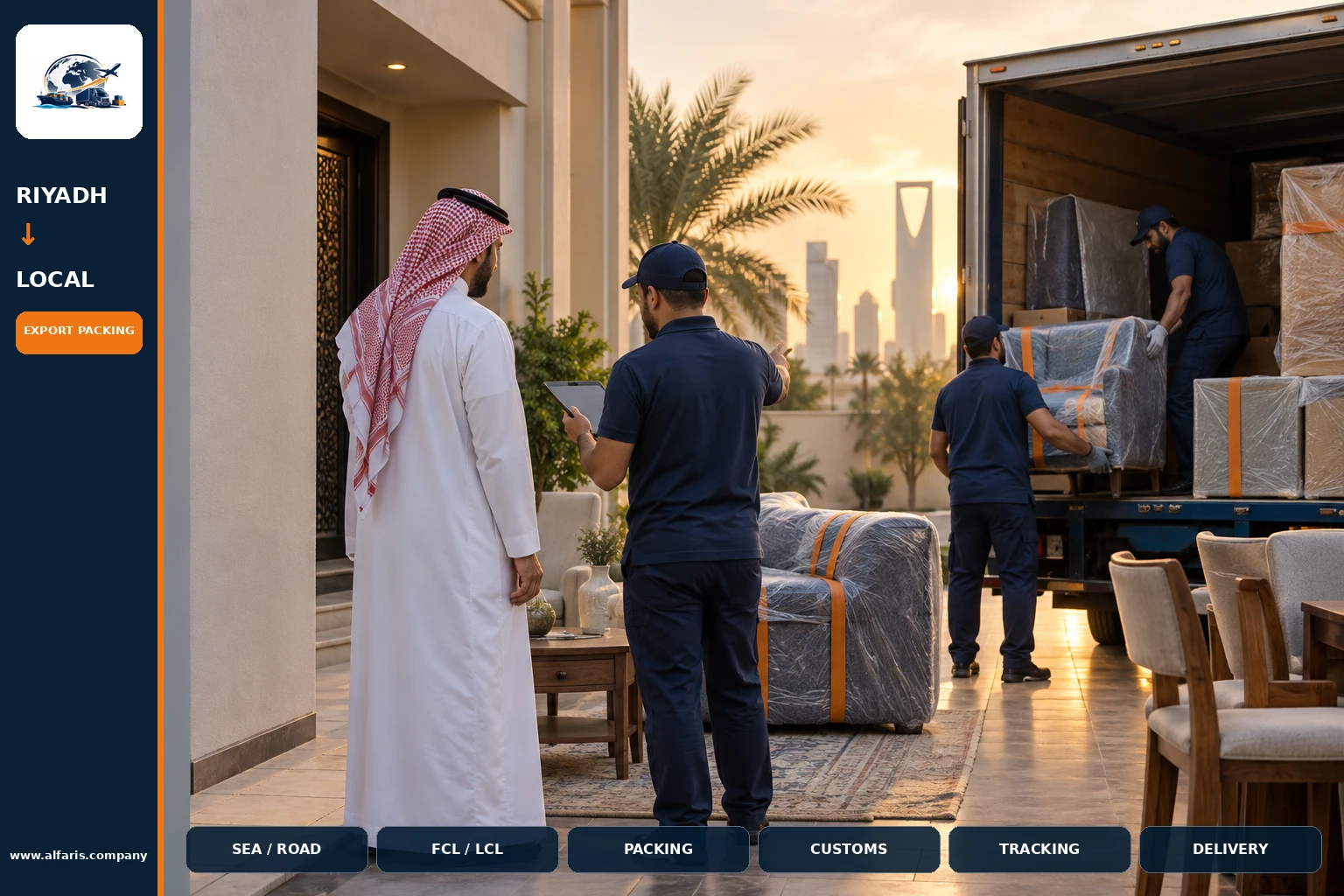
Wooden surfaces are separated from metal edges, glass is clearly identified, appliances remain upright when required and loose components are placed in labelled bags. Even on a short trip, braking and road vibration can move an unsecured load. Clean blankets, stretch wrap, corner guards and correctly rated straps are selected according to the item rather than applied as one identical layer.
Heavy pieces are positioned to keep the vehicle stable, while fragile and polished surfaces are isolated from pressure. The load must remain within safe dimensions and must not obstruct the driver’s view or extend insecurely outside the vehicle.
How pricing is calculated
Price is affected by vehicle size, number of workers, carrying distance, floors, lift availability, dismantling, packing materials, waiting, distance and whether the job is a one-way delivery or involves several collection points. Ask for the included scope instead of comparing one number with another incomplete number.
An accurate estimate requires photographs and both addresses. Extra pieces, an unavailable lift or a destination outside the original route can change the work. A professional provider states these conditions in advance rather than presenting them after loading.

Checklist before collection
- Confirm the exact items and remove personal contents.
- Photograph condition and note existing marks.
- Reserve the lift or loading bay where required.
- Keep keys, fittings and documents in labelled envelopes.
- Confirm the receiving person and reachable phone number.
- Agree the payment point and completion test.
Common mistakes
Do not hide damage, add large items at the last minute, rely on a verbal destination or assume that every service includes dismantling and assembly. Avoid loading furniture while drawers contain heavy objects, and do not use weak cartons for books, tools or kitchenware.
For a sale, do not hand over furniture before the agreed payment method is confirmed. For a move, do not sign completion until the item count and visible condition have been checked at the destination.
Defining the scope before anyone travels
A dependable local service starts with a written scope. The customer states the collection district, destination, property type, preferred time and every item included. The operator confirms the expected vehicle, labour, protection, dismantling and carrying work. This avoids sending a vehicle that is too small or a team without the tools required for a wardrobe, appliance, glass cabinet or heavy office piece.
The scope should also record exclusions. Wall-mounted units, plumbing disconnection, electrical isolation, external lifting, storage, disposal and assembly are separate tasks unless expressly included. When the service concerns a purchase, the agreement distinguishes the purchase value from collection costs and identifies the moment ownership and responsibility pass.
Condition records protect both sides
Clear photographs should be taken before wrapping or dismantling. Existing scratches, loose hinges, swollen boards, chipped glass, missing shelves and appliance faults are noted. A condition record prevents an old defect from being confused with handling damage and helps the team choose safer lifting and packing methods.
For grouped items, use a simple inventory with room, item description and package number. Hardware goes into labelled bags linked to the relevant item. Keys, remote controls, manuals and detachable feet are not left loose inside drawers or vehicle corners. At handover, the same record is checked before the job is closed.
Choosing the right vehicle rather than the cheapest label
Vehicle choice depends on item dimensions, quantity, sensitivity, weather, travel distance and the ability to secure the load. A small pickup can be efficient for limited robust pieces and short controlled trips. A closed box truck provides better protection for larger household loads, upholstered furniture, electronics and longer routes. Neither choice is automatically right without seeing the load.
Capacity is not measured only by floor area. Tall pieces, irregular shapes and items that cannot be stacked safely use more space. Overloading creates pressure points, poor weight distribution and unsafe tie-down angles. A slightly larger vehicle can sometimes reduce handling and complete the job in one organised trip.
Access planning in Riyadh and Jeddah
Dense streets, gated compounds, towers, villas and commercial buildings create different access conditions. Record the floor, lift dimensions, staircase width, entrance turns, parking distance and loading restrictions. Where a building requires a permit or booked service lift, the appointment is arranged before the team arrives.
If a large vehicle cannot reach the entrance, the plan may use a smaller transfer vehicle or an agreed safe loading point. Long carrying distances require more labour and protective movement equipment. These details belong in the quotation because they affect time and risk more than the straight-line distance between two map pins.
Dismantling without weakening the furniture
Only furniture designed for dismantling should be taken apart. Panels are supported while fasteners are removed, and the sequence is photographed where reassembly may be complicated. Repeatedly disassembling low-density boards can weaken screw points, so the team evaluates whether a piece should travel assembled, partly dismantled or not at all.
Wardrobe doors, shelves, rails and drawers are labelled. Screws are not mixed between items. Glass and mirrors are removed when the design allows and carried in a protected upright position. At destination, assembly follows the recorded sequence, and doors and drawers are tested before the crew leaves.
Scheduling, waiting and changes
A realistic booking includes a time window rather than an impossible minute-by-minute promise. Traffic, building access, earlier jobs and unexpected dismantling can affect arrival. The customer should keep a reachable phone available and confirm that the property and receiving person are ready.
Changes are communicated before dispatch. Adding a bedroom, changing the destination or discovering that the lift is unavailable may require another vehicle, worker or time slot. Agreeing how changes are priced is fairer than forcing the original plan to absorb a substantially different job.
Handling valuable, fragile and sentimental pieces
Value is not only financial. A modest cabinet may be difficult to replace because it is inherited or custom-made. Tell the provider which items need individual attention and provide close photographs. Stone, glass, artwork, antiques and high-gloss surfaces require specific protection and must not be hidden among ordinary cartons.
Ask what responsibility or optional coverage applies and how a claim or observation is recorded. Avoid vague assumptions that every risk is insured. The written agreement should explain the service responsibility, any declared value requirement and the evidence kept before and after transport.
Communication and documented completion
The booking message should name the customer, both locations, date, contact numbers, agreed items, services, price basis and payment stage. If another person will receive the load, their name and phone are confirmed. Photographs and inventory records remain available until completion.
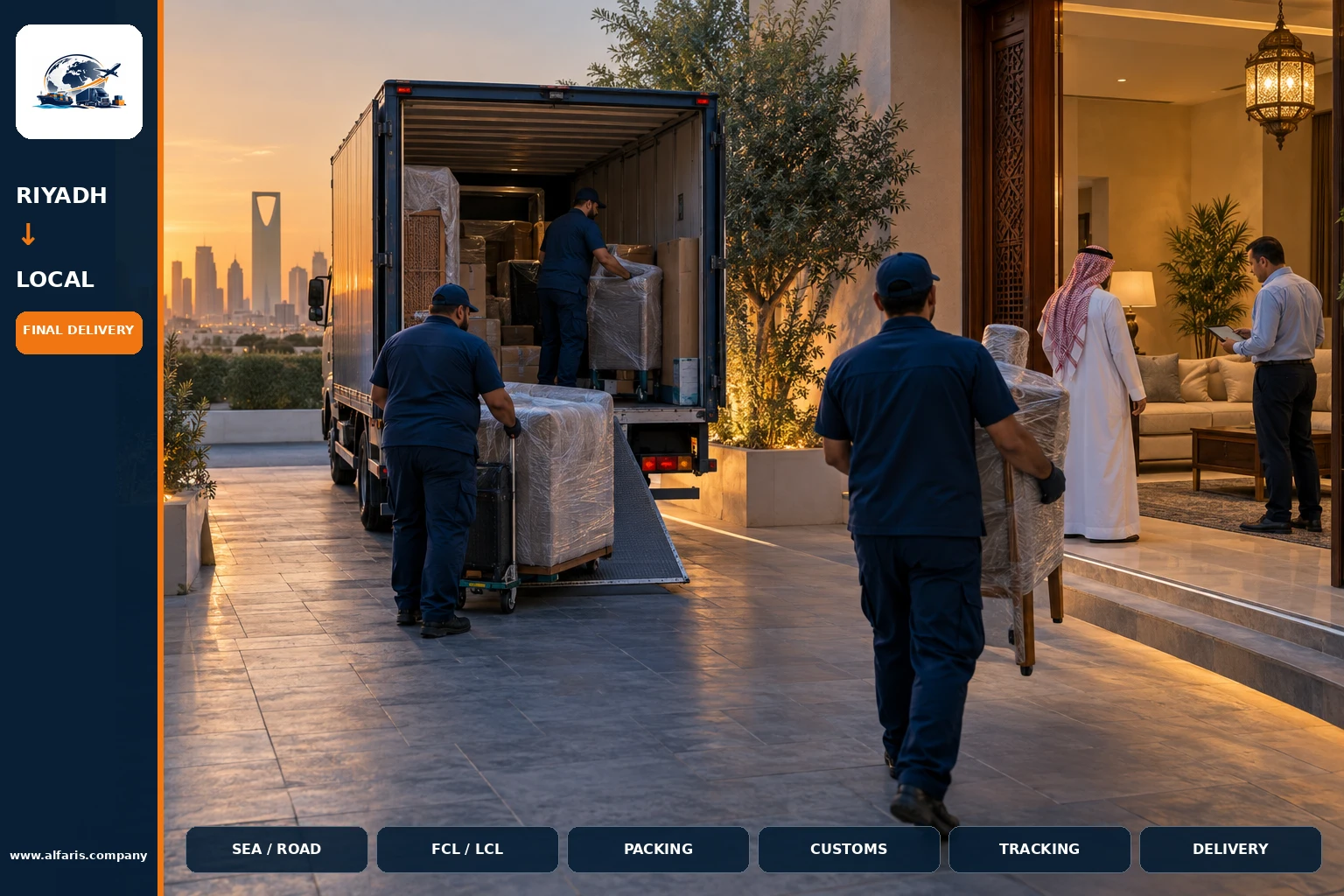
At the destination, count packages, examine important surfaces and test reassembled furniture where practical. Any issue is recorded immediately instead of being reported after the protective materials and team have disappeared. A signed or messaged completion note gives both parties a clear end point.
Reuse, resale and responsible disposal
Before moving or selling, separate items worth keeping, repairing, donating, recycling or disposing of. Moving damaged low-value furniture across a long route may cost more than replacement, while well-made pieces can justify professional repair and transport. The decision should use condition, replacement cost, property fit and handling cost together.
Personal documents, medicines, cash, jewellery and confidential material are removed from furniture before collection. Drawers and cabinets are emptied and checked. This protects privacy and prevents small objects from becoming lost inside panels or vehicles.
Frequently asked questions
Can I request a same-day visit?
Availability depends on the district, vehicle, workload and the information supplied. Clear photographs and addresses make scheduling faster.
Does the service include dismantling?
Only when it is written into the quotation. Identify the pieces and whether reassembly is required.
How do I receive an accurate estimate?
Send photographs, approximate dimensions, both locations, access information, date and any packing or labour requirement.
Can fragile items be included?
They can be assessed, but must be identified before collection so the correct protection and loading position can be planned.
Request an assessment
Send the item photographs, location and preferred time. The response will define the suitable vehicle or collection method and the services included before work begins.